What Makes Us Mean? Unpacking the Demons of Hate
The Vile Celebration: Online Mockery Following the Assassination of Charlie Kirk
It’s only been two short months since the brutal assassination of popular Christian political activist Charlie Kirk. The man isn’t even cold in his grave, yet hateful comments and mocking videos are flooding the social media air waves like a tsunami. While it's clear that many vehemently disagreed with Kirk's philosophy and beliefs, one extremist took that disagreement to the murderous extreme. But I'm not here to talk about him. The courts will render his justice. Rather, I want to discuss why the countless others – particularly those on the internet - seem to find some kind of vile pleasure in celebrating Charlie Kirk’s death and mocking his bereaved widow, Erika Kirk.
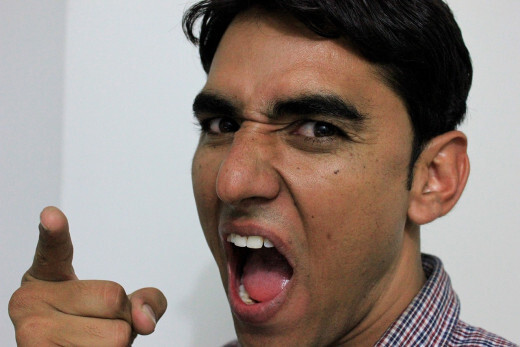
As I scroll through popular social media platforms, I am sickened at the hurtful memes and disgusting videos of those cheering Charlie Kirk’s death, chanting he “got what he asked for” as if his obvious planned assassination were his own fault. Others have made dramatic videos mocking and ridiculing Erika Kirk’s behavior on recent interviews and TV specials, as well as conjuring up baseless conspiracy theories blaming her for her husband’s death. How can one’s heart be so callous and dark that it chooses to intentionally ridicule a person for their personal beliefs or, worse, for the way they mourn? What explains this profound and disturbing human meanness toward another?

Charlie Kirk
Source: Wikipedia
The Roots of Ridicule: Psychological Insecurity vs. Spiritual Evil
I’ve always heard that people who ridicule or mock others are battling their own insecurity demons. They try to boost their own self-worth by diminishing someone else. Having known quite a few individuals like this, I've seen this pattern firsthand. It appears to be a form of psychological distress that originates from feeling inadequate or not measuring up to others. For them, the only way to feel better is to negatively deflect attention onto someone else. You don't have to be a psychiatrist to recognize that such behavior often signals some deep-rooted mental issues and can often lead to cruel and unkind behavior.
I believe much of human cruelty stems from people being filled with demons of hate. This isn't the sensationalized kind like in the popular movie, “The Exorcist,” but the spiritual forces of Satan and his satanic army, who comes to "kill, steal, and destroy." This dark influence infiltrates people with profound hatred, turning them against one another and motivating acts like persecution, mockery, and even murder.
This evil is as old as the world itself, originating in the Garden of Eden when the serpent tempted Eve. The motivation remains Satan's envy of God and his resentment over being cast out of Heaven. His ongoing revenge is to strike at God's creation. While we hope for a world of kindness, Biblical history shows us the truth: there has always been as much, if not more, hate in the world as love.
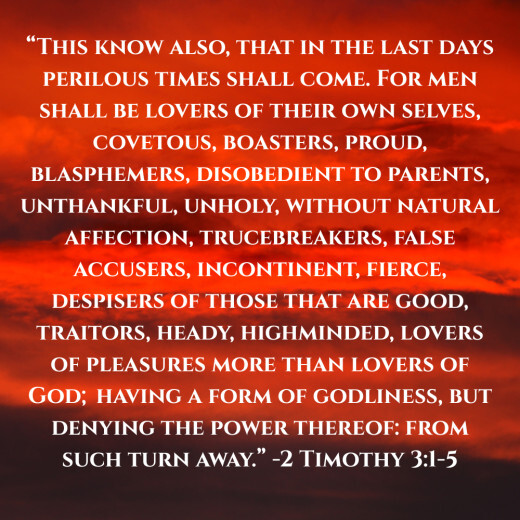
The Bible also says in the “last days” people will be “lovers of their own selves, covetous, boasters, proud, blasphemers, disobedient to parents, unthankful, unholy, without natural affection, trucebreakers false accusers, incontinent, fierce, despisers of those that are good, traitors, heady, high minded, lovers of pleasures more than lovers of God, having a form of godliness, but denying the power therof.” (2 Timothy 3: 1-5) Whew! That explains a lot of the hate we see in the world today, doesn’t it? When people think only about themselves, they tend to look down on others, which can lead to negative feelings and hate. Without empathy as a moral restraint, the self-absorbed person no longer feels the pain they inflict. To them, mocking or hurting someone is simply a tool to achieve their own internal goal (like feeling superior) without the burden of guilt or remorse.
2 Timothy 3:1-5
The Bible
From Fiery Temper to Measured Response: Lessons in Handling Online Hate
I'll admit, seeing people strike out with hate – especially on the internet - makes me angry, and that anger makes me want to retaliate. A little "meanness demon" is often perched on my shoulder, nudging me to fire back and expose their hatred. Regrettably, I sometimes give in. As the daughter of a fiery redhead, I have a fierce temper, especially when I see someone unjustly attacked. My first instinct is to "bite back," often using caustic words I regret later. Unfortunately, this erratic behavior is rampant on social media, where anonymous people frequently strike back at strangers over disagreements. It's simply too easy to talk big while hiding behind a keyboard. I truly admired Charlie Kirk's willingness to publicly air his beliefs and stand up for them, regardless of disagreement. He debated not from behind a computer, but in public forums where even his fiercest opponents could voice their views without fear. Charlie gave everyone an equal voice (provided they were respectful), and when opponents were mean or hateful, he simply let them talk until they tired of their own angry voice and walked away. The lesson learned here is to hold your ground but let your opponents talk until the ugliness of their own hate is undeniable and echoes back to them.
I once heard a psychologist recommend a powerful way to handle mean comments: mirroring the statement back as a question. For example, if someone accuses you of being a racist, you ask, "So, you're saying I'm a racist?" Repeating their accusation gives them a chance to hear their own words. This technique often causes them to reconsider or back down or at least helps start a more civil conversation leading to better mutual understanding. This mirroring method is similar to how Charlie Kirk often debated, opening lines of communication for opponents to express the "real" root of their complaint.
From Retaliation to Righteousness: The Christian Duty in the Face of Hate
Effectively conversing with those who disagree takes significant discipline and self-control, largely because most people don't want to listen—they only want to be heard. They aren't interested in your opinion; they only want to be validated in their own. When you introduce a differing view, that demon of hate often steps in. Disagreement, or even the expression of an alternate opinion, deeply offends them. Instead of accepting the difference and moving on, they strike back in anger. This creates a vicious cycle that usually ends in a heated stalemate or, in a worst-case scenario, physical retaliation, as tragically seen in the case of Charlie Kirk.
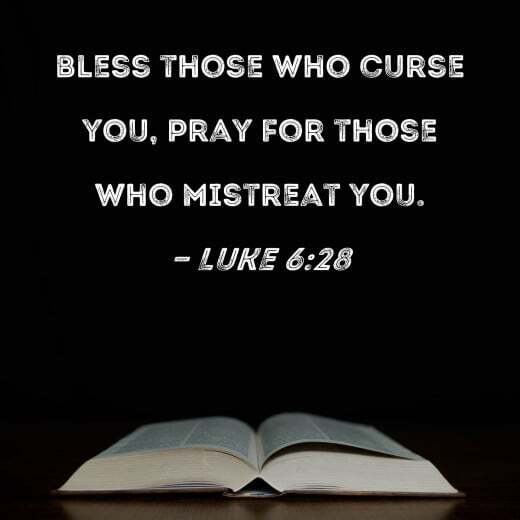
It's sad that people are hurting so much inside they feel the need to strike back at others. However, recognizing that meanness is more about an attacker’s internal pain rather than the victim, helps put things into perspective. As the saying goes, “hurt people hurt people.” Mean people will always exist as long as Satan and sin are in the world, and while their actions still irk me, I'm learning to understand the "why" behind their behavior, and instead of retaliating, strive to follow Jesus' instruction to pray for those who hurt us and turn the other cheek. This requires immense love and forgiveness—a level of righteousness I don’t always possess—but our job as Christians is to respond with prayer and gentle rebuke, as Christ did, rather than returning the hurt. Since it’s not our place to judge, we are better off lifting that person up to God, asking Him to work on their heart. We must also pray for our own hearts, as the "demon of meanness" sometimes rests on everyone's shoulder, serving as a reminder to strive to be kinder in a world that’s not so kind.
Luke 6:28
Source: Bible Hub